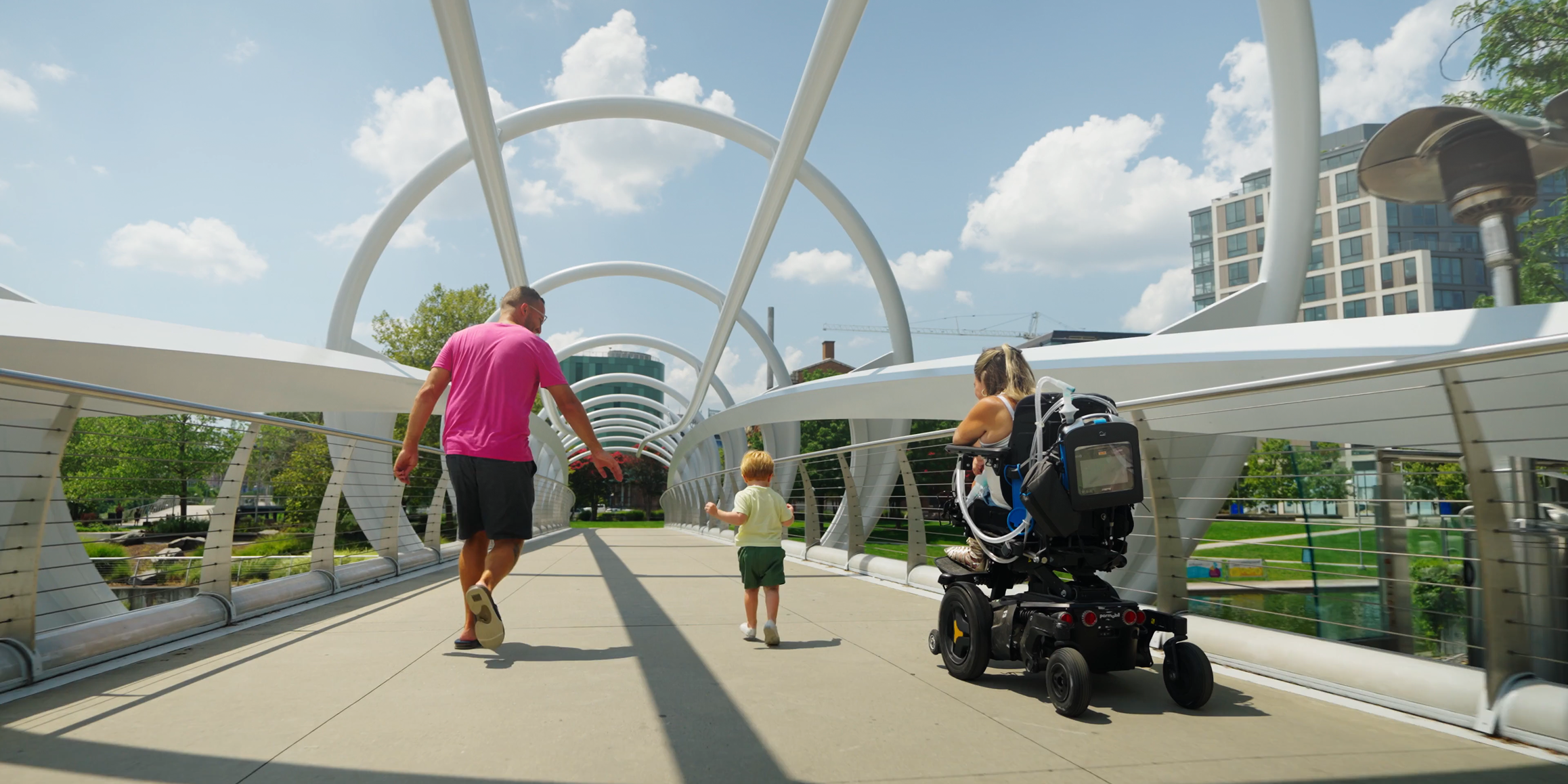
welcome to D.C.'S FASTEST
GROWING NEIGHBORHOOD
how it started

Rooted in History

Anchored by the Washington Navy Yard, established in 1799 as the nation’s first naval shipbuilding facility, the Navy Yard neighborhood is one of Washington, DC’s oldest industrial corridors. For much of the 19th and 20th centuries, the area served as a working waterfront and industrial center. Over the past two decades, it has transformed into one of DC’s fastest-growing neighborhoods while honoring its rich maritime and military heritage.

Next
Next

1799

The Founding of the Yard

In October, Secretary of the Navy Benjamin Stoddert acquires 40 acres along the Eastern Branch of the Potomac River for $4,000. Under Commandant Thomas Tingey, the Yard quickly becomes the Navy's primary shipbuilding, repair, and supply depot — the oldest shore establishment in U.S. Naval history.

  • Est. October 2, 1799: Official transfer of land to the Navy
  • First Commandant: Commodore Thomas Tingey serves for 29 years
  • Purpose: Shipbuilding, repair, and naval supply center

1814

Burned & Rebuilt

As British forces march on Washington in August 1814, Commandant Tingey orders the Yard burned to prevent naval stores from falling into enemy hands. Congress appropriates funds the following year, and by 1816, the Yard is fully rebuilt — stronger and more fortified than before.

  • August 1814: Yard set ablaze ahead of the British advance
  • 1815: Congress funds reconstruction
  • Post-war upgrade: High defensive walls added around the perimeter

1861-1865

A Civil War Arsenal

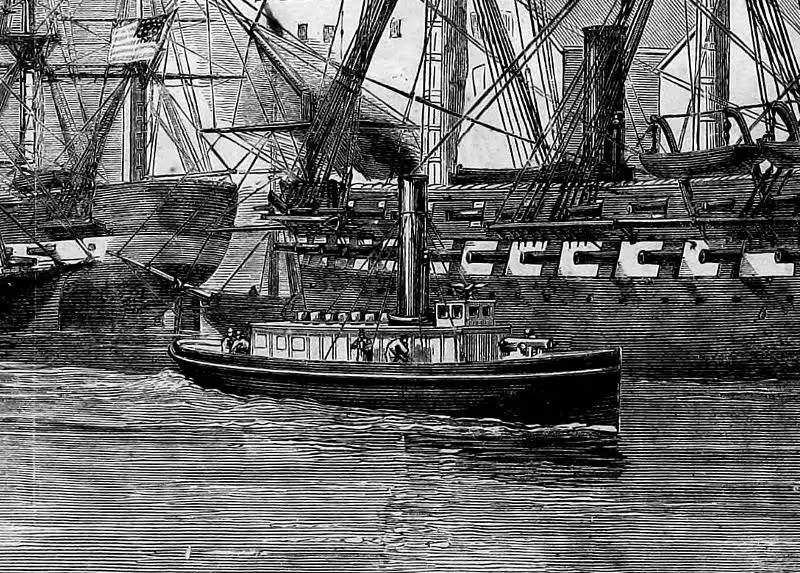
The Washington Navy Yard becomes an indispensable military hub during the Civil War, manufacturing naval weapons, repairing warships like the USS Monitor, and helping defend the capital. After the war, the remains of assassin John Wilkes Booth and some co-conspirators were held at the Yard.​

  • Commander John Dahlgren leads weapons production and city defense
  • Ordnance output expands dramatically to meet wartime demands
  • Post-war significance: Yard tied to Lincoln assassination investigation

1941-1945

Peak Production: World War II

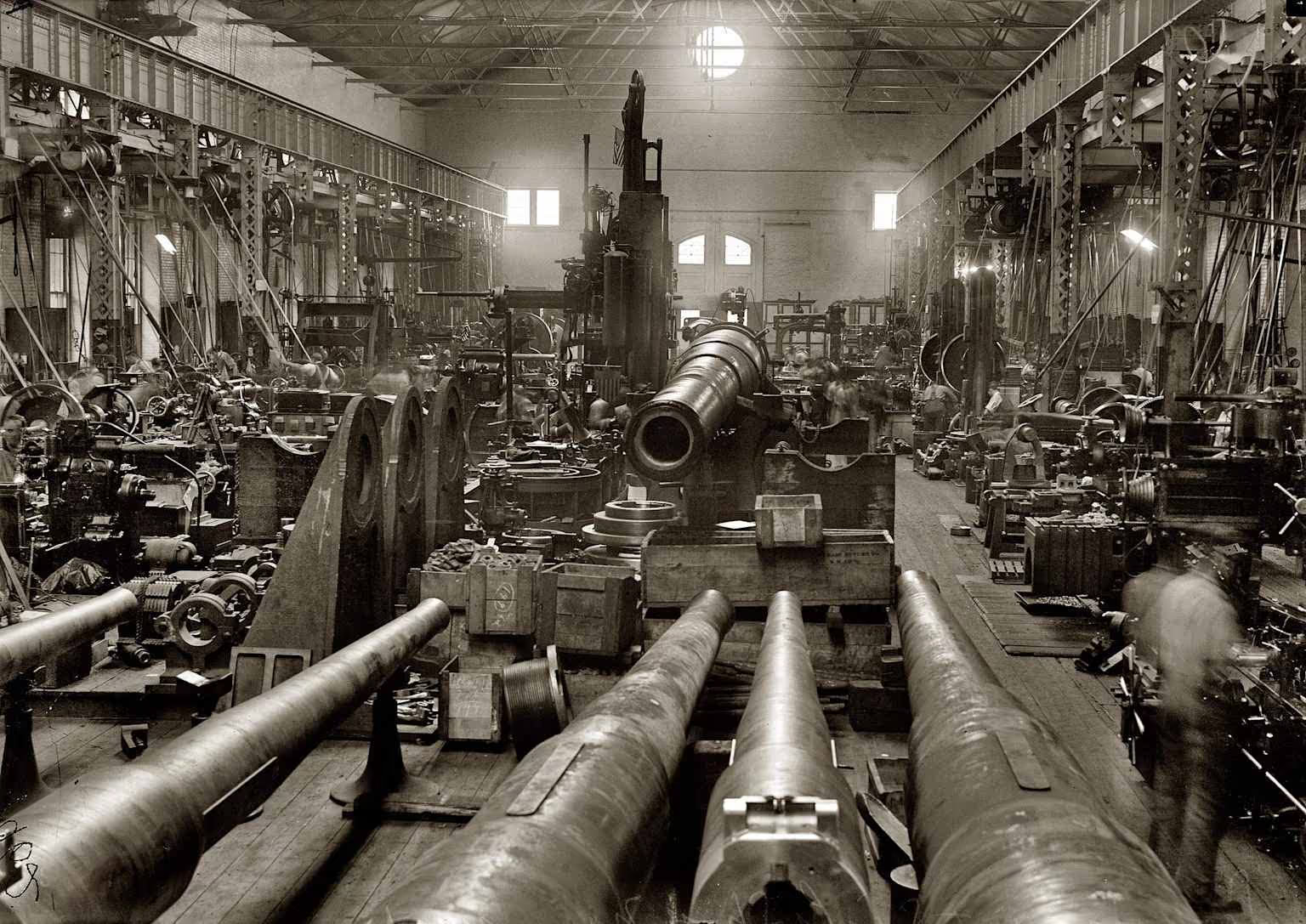
The Yard reaches its zenith during WWII, employing 26,000 workers across 132 buildings and producing massive quantities of naval guns — becoming the largest naval ordnance plant in the world.​

  • 26,000 workers employed at peak capacity
  • 132 buildings across 126 acres producing ordnance around the clock
  • 1945: Renamed the U.S. Naval Gun Factory

1964

From Arsenal to Office Campus

With weapons manufacturing phased out in 1961, the Yard is officially redesignated the Washington Navy Yard on July 1, 1964. The empty factory buildings slowly convert to office and administrative use — shifting the Yard's identity from industrial powerhouse to government campus.​

  • 1961: Ordnance production officially ends after nearly 160 years
  • 1964: Renamed Washington Navy Yard; begins office conversion
  • New tenants: U.S. Navy command offices and federal agencies move in
1799
1814
1861-1865
1941-1945
1964

Rooted in history and alive with possibility, 
Navy Yard blends culture, cuisine, sports, and green space into one unforgettable experience.

how is it going

Alive with Possibilities

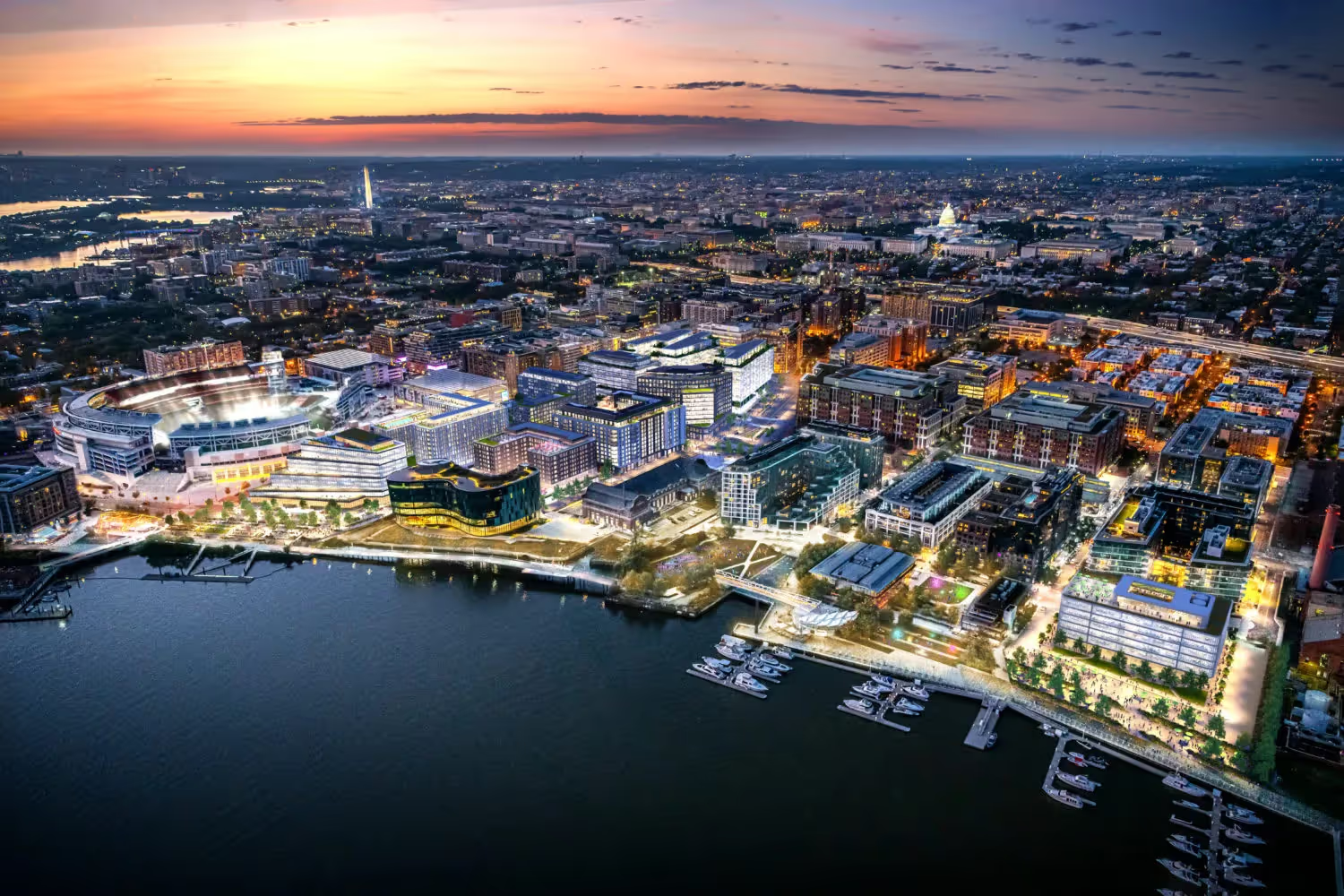
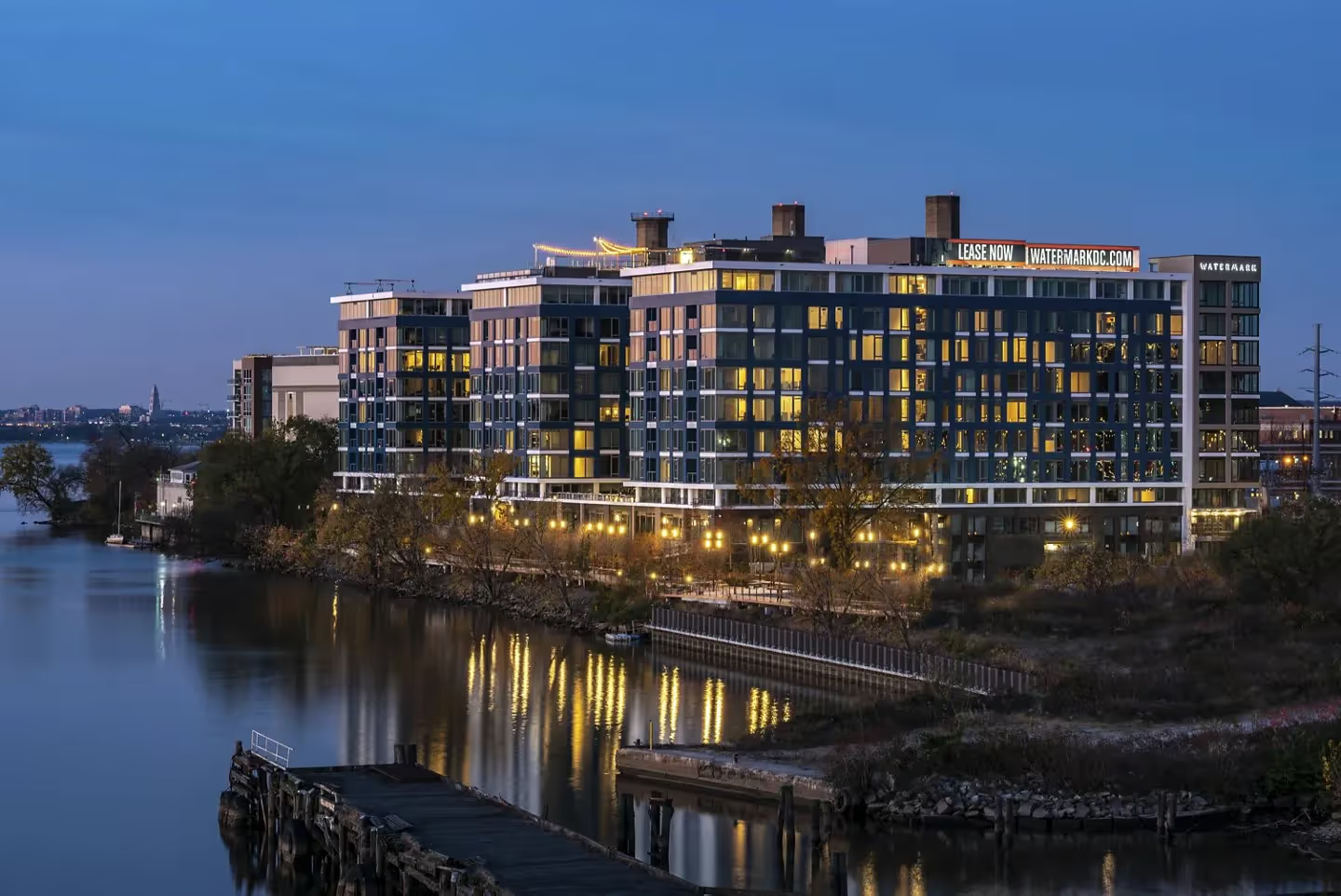
Today Navy Yard is one of DC’s most dynamic waterfront neighborhoods, blending modern residential towers, Class A office space, world-class restaurants, and award-winning parks and offering a vibrant, walkable environment along the Anacostia River. Home to Nationals Park, a growing restaurant scene, and an expanding mix of cultural and community events, Navy Yard has become a premier destination to play, live, and work, in the nation’s capital.

Next
Next

1999–2000

The Redevelopment Begins

The late 1990s mark a turning point: the Naval Sea Systems Command establishes a major new headquarters at the Yard, drawing thousands of defense contractors to the surrounding blocks. In 2000, the General Services Administration launches the Southeast Federal Center project, inviting private developers to transform the industrial land around the Yard.​

  • Naval Sea Systems Command anchors M Street SE as a contractor corridor
  • GSA Southeast Federal Center project greenlit for private redevelopment
  • Office towers and apartments begin replacing crumbling row houses

2004

Connected to the City

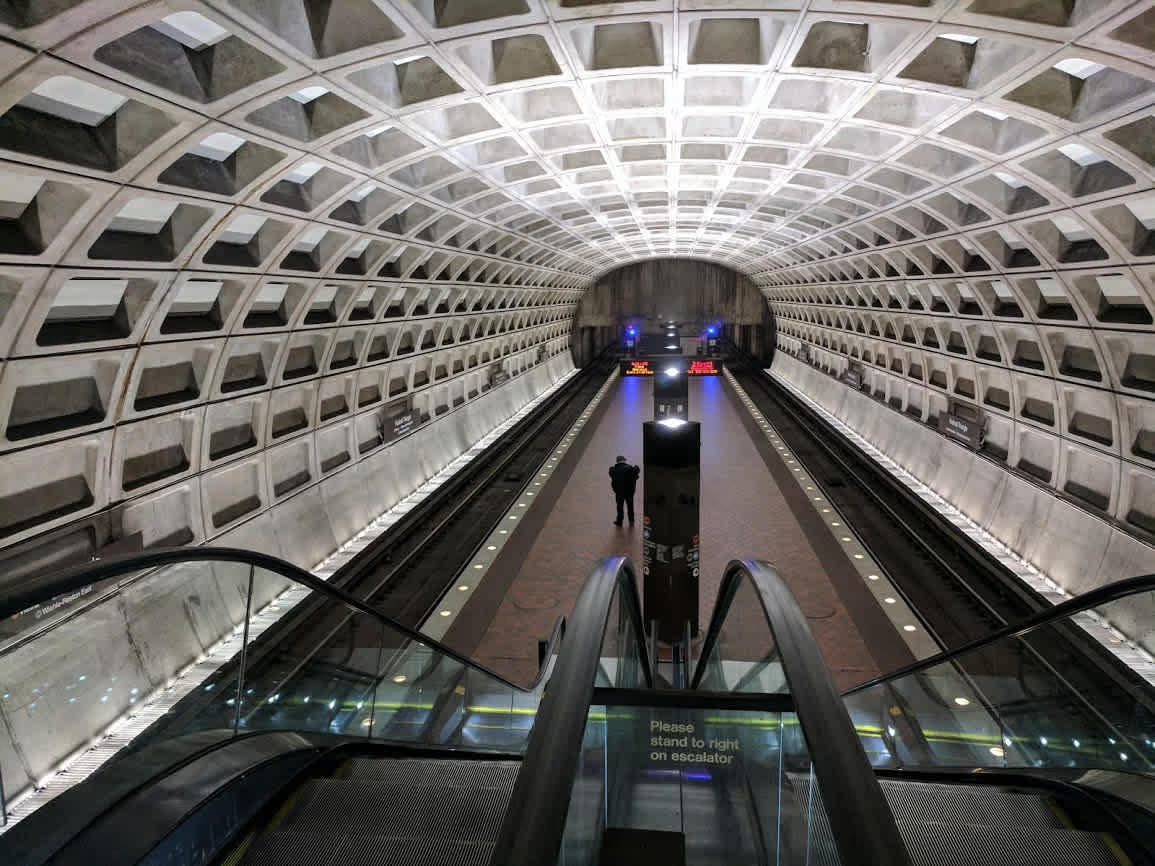
The Navy Yard–Ballpark Metro station opens on the Green Line, unlocking serious residential development in the neighborhood for the first time. This direct transit link connects what was once an isolated industrial pocket to the broader fabric of Washington, D.C., drawing new residents and businesses.

  • Metro access makes the neighborhood viable for residential growth
  • Jointly funded by federal and local government
  • Population growth accelerates almost immediately after opening

2008

Nationals Park Opens

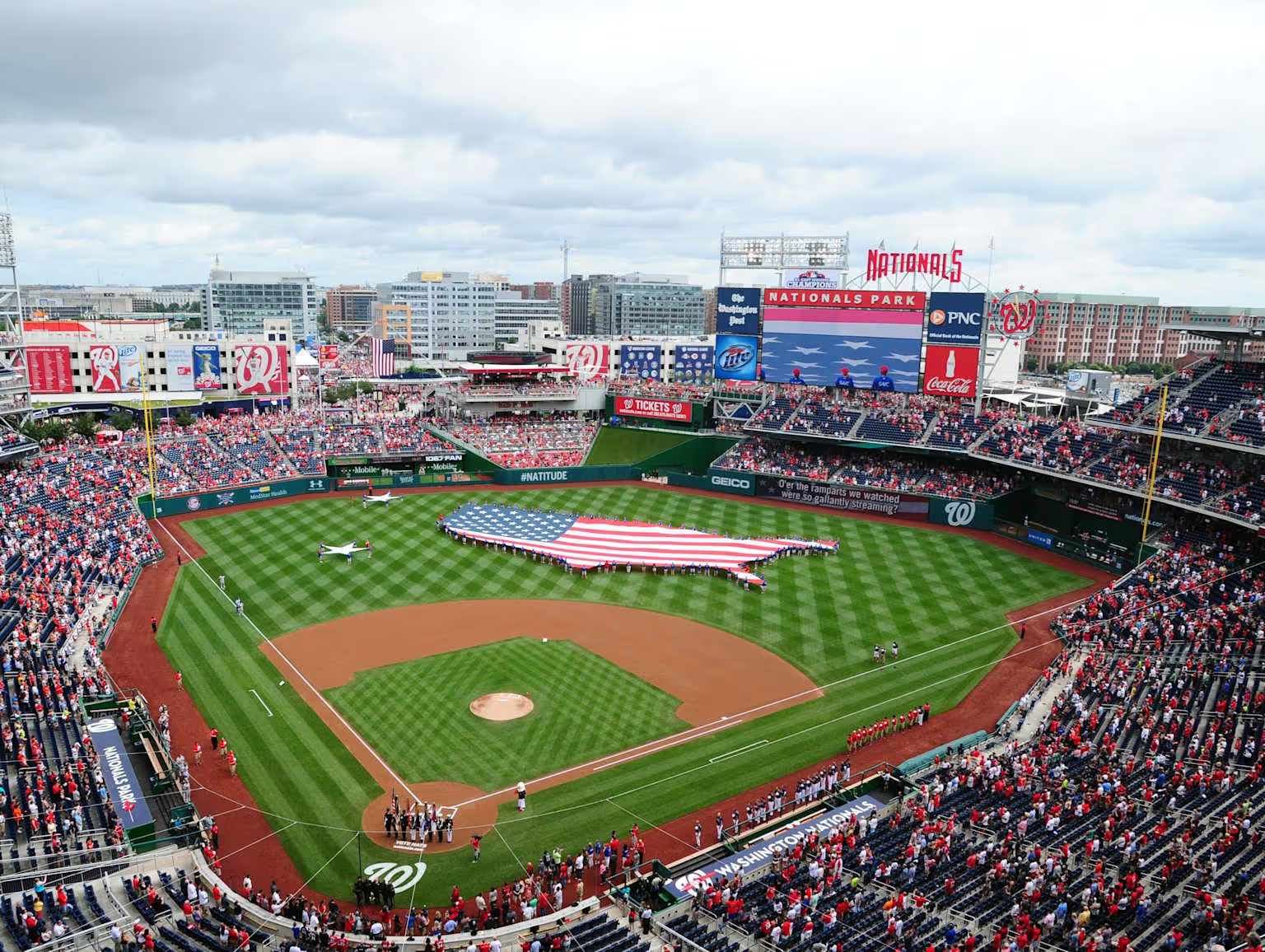
After the DC government seizes 23 properties — including the area's former nightclub district — Nationals Park opens as the $600 million home of the Washington Nationals. The ballpark catalyzes a wave of restaurants, retail, and mixed-use development along the riverfront.

  • $600 million stadium transforms the southern edge of the neighborhood
  • 25,000+ game-day visitors fuel demand for local dining and retail
  • M Street SE corridor establishes itself as a destination dining and nightlife strip

2010-2015

The Yards Take Shape

Forest City Washington, which took over the Southeast Federal Center project in 2005, opens The Yards — a mixed-use waterfront development featuring Yards Park, the Boilermaker Shops dining hall, and new residential towers along the Anacostia River.

  • Yards Park becomes the neighborhood's signature green gathering space
  • Boilermaker Shops repurposes historic industrial building into restaurants and retail
  • Luxury residential high-rises with waterfront views attract young professionals

2020s

DC's Fastest Growing Neighborhood

Navy Yard cements its status as one of Washington's most dynamic neighborhoods — a dense, walkable community of luxury apartments, acclaimed restaurants, waterfront parks, and cultural venues. New residential towers continue to rise, and the neighborhood's mix of federal, commercial, and community life sets a model for urban redevelopment nationwide.

  • Residential boom: Contemporary condos, luxury high-rises, and townhomes define the skyline
  • Cultural identity: Navy Yard BID coordinates placemaking, events, and green space
  • Future-forward: Buzzard Point, Capitol Quarter, and Boathouse Row continue to expand the neighborhood's footprint
1999–2000
2004
2008
2010-2015
2020s

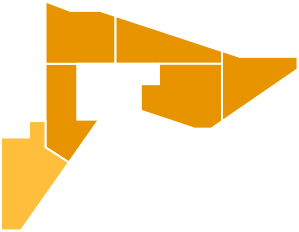
Our Neighborhoods

Buzzard Point
Ballpark District
The Yards
Capitol Quarter
Navy Yard
Boathouse Row

Buzzard Point

A rapidly emerging waterfront district anchored by Audi Field, home to D.C. United, with new luxury residences, fitness studios, and riverfront green spaces.
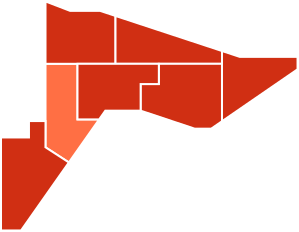
Ballpark District

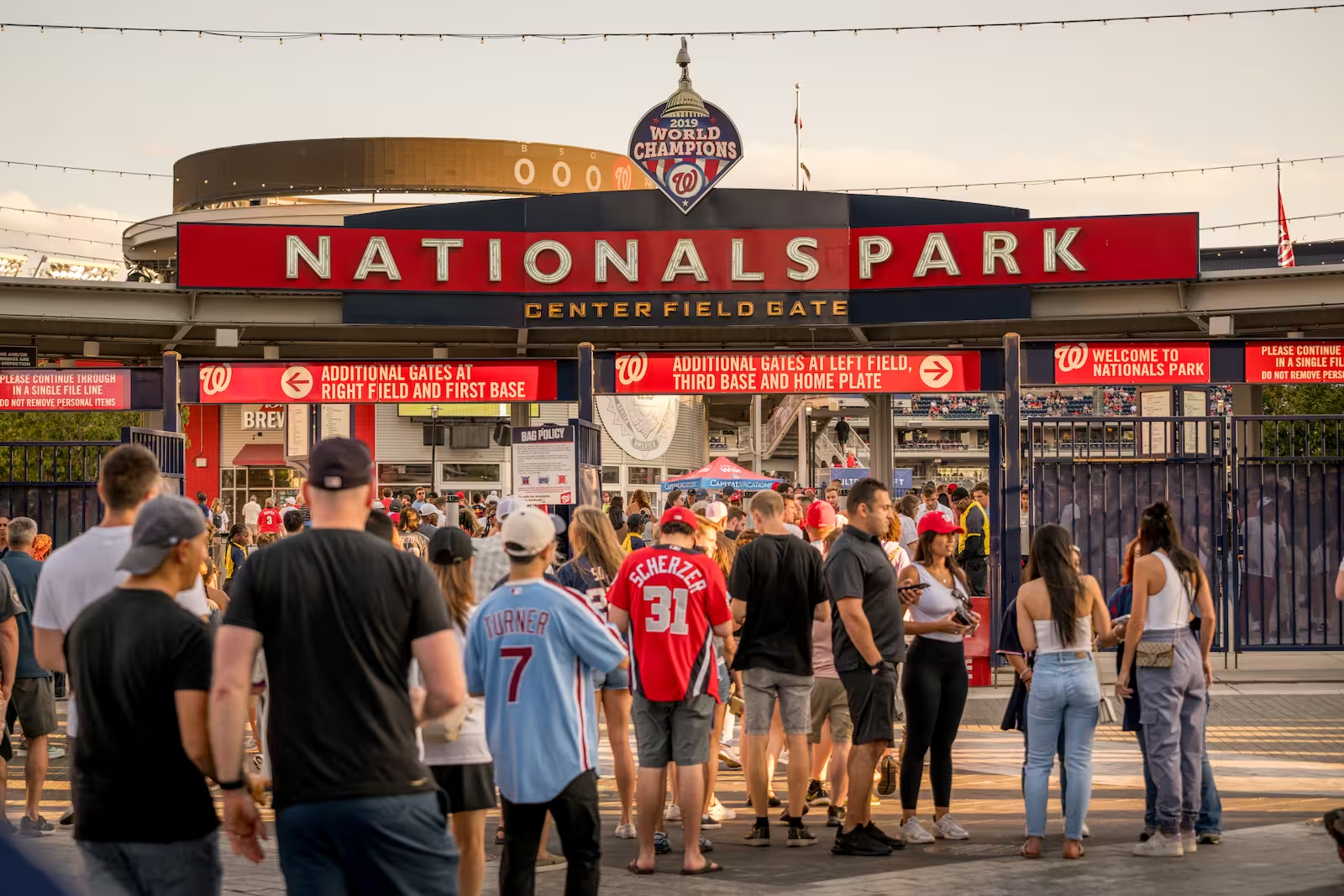
The energy hub surrounding Nationals Park, buzzing with game-day excitement, sports bars, beer gardens, and pre- and post-game gathering spots.
The Yards

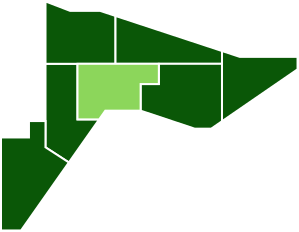
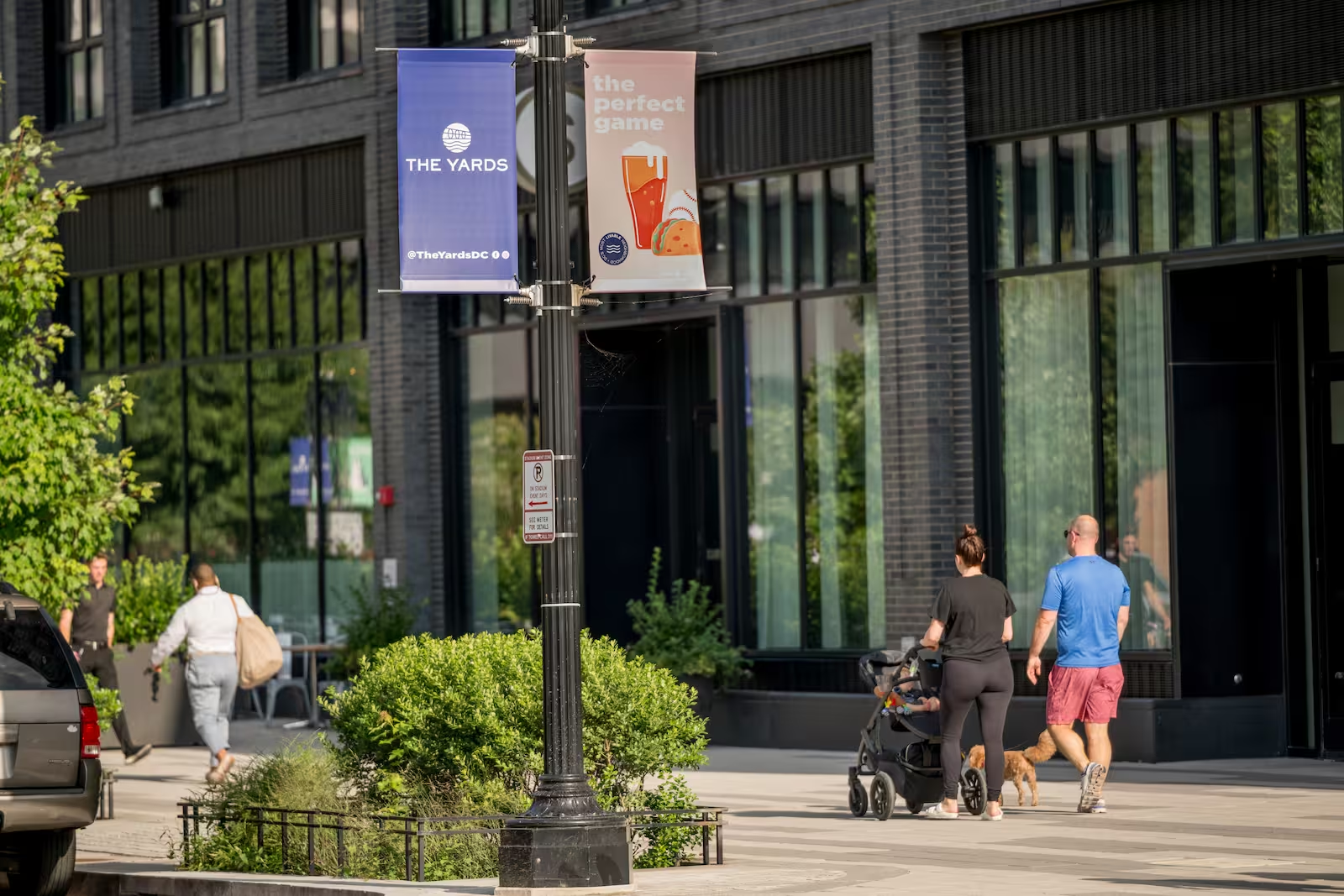
A vibrant waterfront destination featuring Yards Park, diverse dining, modern residences, and retail along the Anacostia River boardwalk.
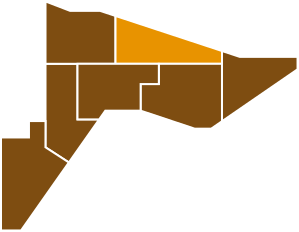
Capitol Quarter

A walkable residential enclave of over 300 LEED-certified townhomes, blending mixed-income living with tree-lined streets just steps from Nationals Park.

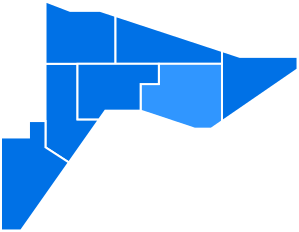
Navy Yard

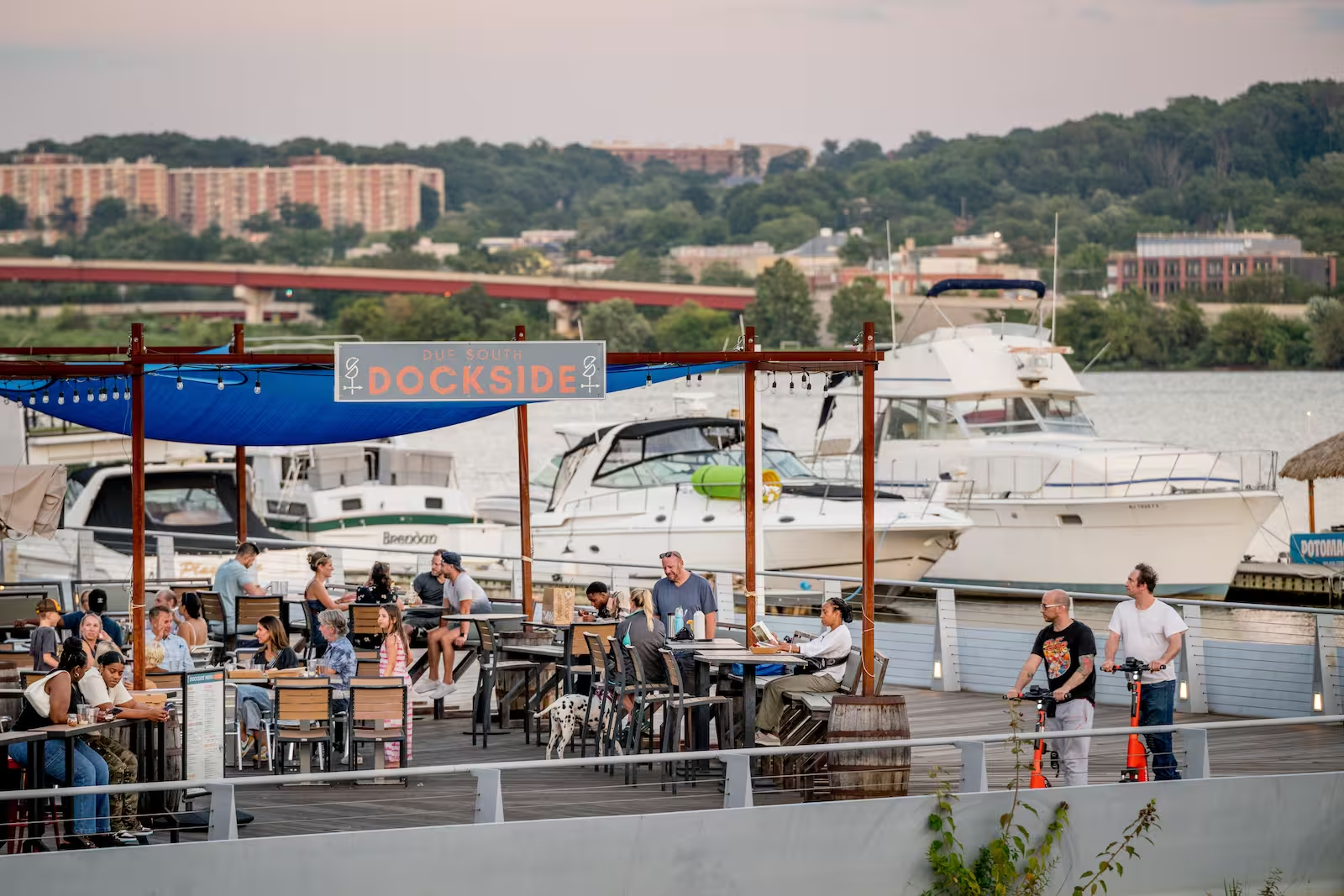
The historic heart of the neighborhood, home to the Washington Navy Yard, the U.S. Navy Museum, and a growing mix of dining, nightlife, and waterfront living.
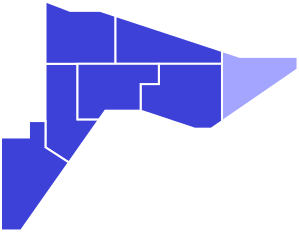
Boathouse Row

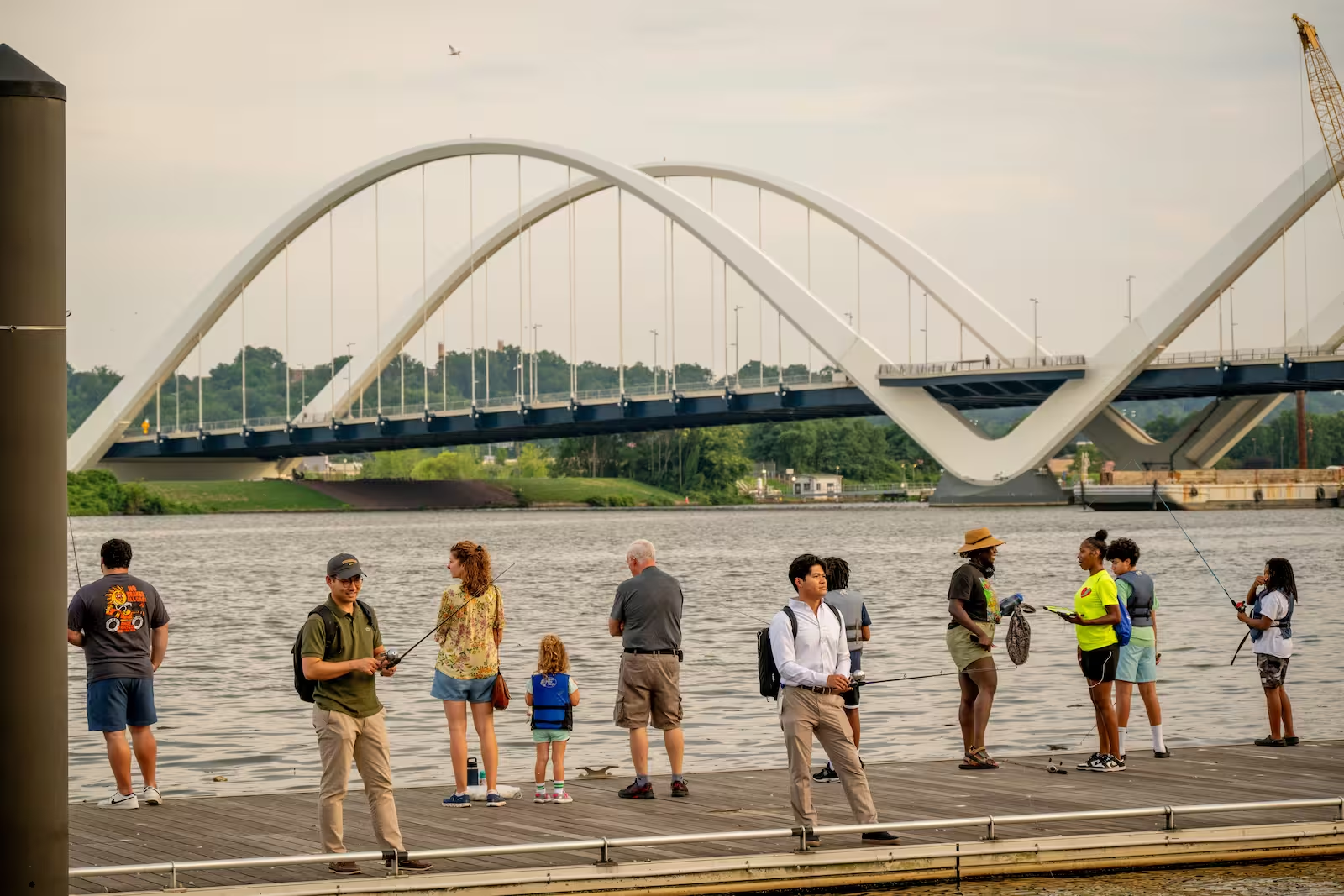
A scenic stretch along the Anacostia River offering kayak and paddleboard rentals, waterfront trails, and stunning views of the Capitol skyline.
Learn about
Navy Yard BID

Quick Access

BID Tax information

The BID is funded through a self-imposed additional tax levy on non-exempt property owners.

Learn More
Learn More

Capitol Riverfront Parks Foundation

The Capitol Riverfront Parks Foundation serves as a philanthropic arm dedicated to advancing the BID’s mission through charitable initiatives.
Learn More
Learn More

clean team

The Clean Team is responsible for the day-to-day appearance of the neighborhood.

Learn More
Learn More